Make the Moments That Matter: Two Practical Ways to Honour Your Dog This Year
Most people don’t regret the photos they took.
They regret the ones they didn’t take because they assumed they’d remember everything.
If you love your dog deeply, you already know the big moments matter. What people underestimate is how quickly the ordinary moments change. Not overnight. Quietly. Gradually.
This blog is about two practical ways to honour your dog this year. Not as a grand gesture, and not as a fear-based “before it’s too late” thing. More like this:
You’re choosing to notice what matters while it’s still here.
First, a quick truth about memory
Your brain is not a hard drive. It doesn’t store everything evenly.
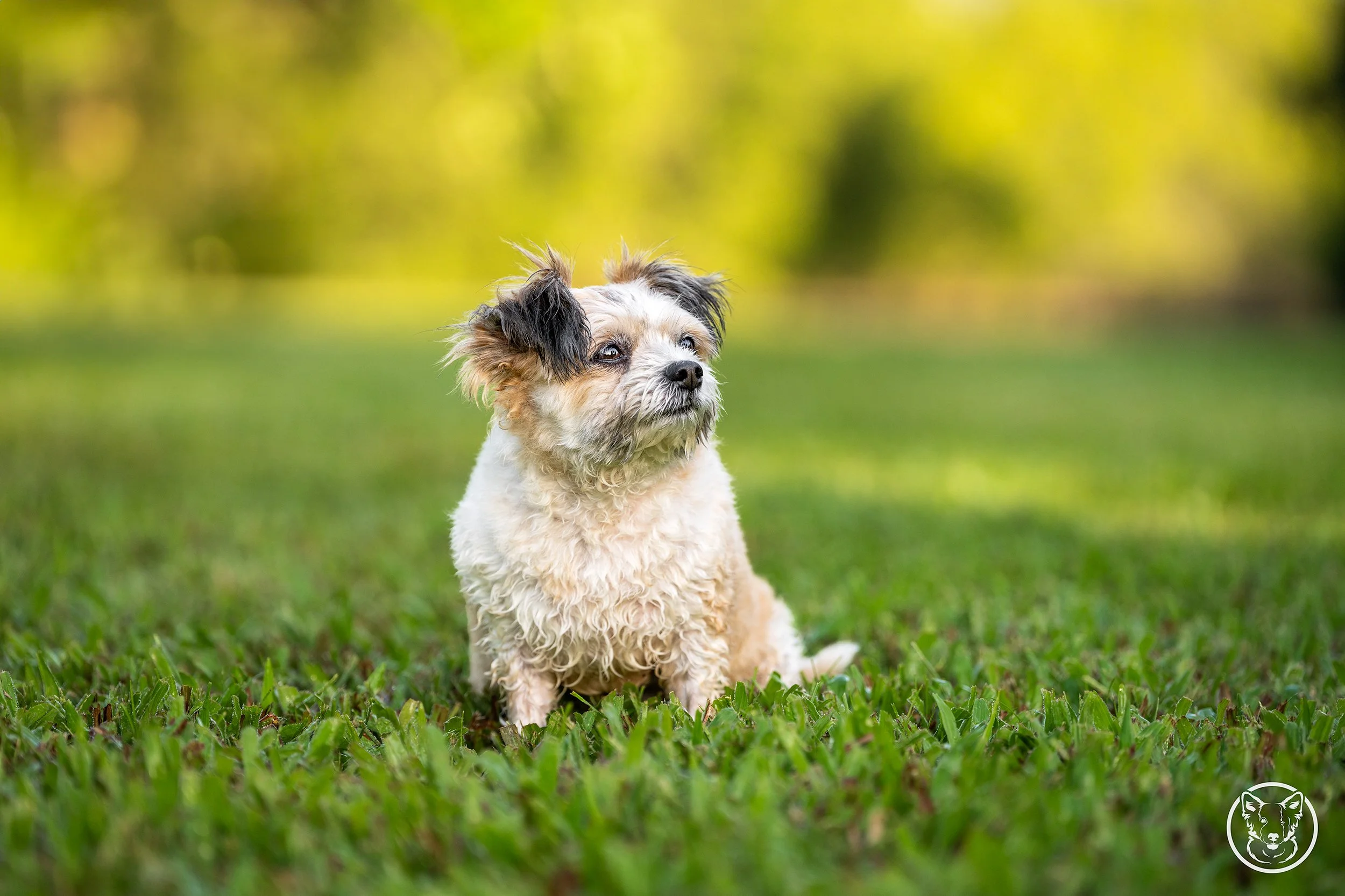
It prioritises novelty and emotion, and it compresses what feels repetitive. That’s why you remember the day you brought your dog home, but you may struggle to recall the exact look on their face when they waited at the back door every afternoon.
There’s also something modern that makes this worse: we take thousands of photos, but rarely revisit them, because they’re buried in a camera roll. Smartphones now account for the vast majority of photos people take (one estimate puts it around 92.5%).
So yes, you may have photos, but you don’t necessarily have memories you can easily access.
And when people are stressed, tired, or grieving, they often can’t find what they’re looking for. That’s not a moral failure. It’s just reality.
1. Photograph who your dog is right now, not who you wish they were
Most clients don’t say this out loud, but it’s there underneath:
“My dog isn’t calm enough yet.”
“My dog won’t sit.”
“My dog is a bit much.”
This is exactly why many people delay photography. They’re waiting for a future version of their dog that feels easier to document.
But here’s the problem: when you wait for the “perfect dog”, you often miss the dog you actually have.
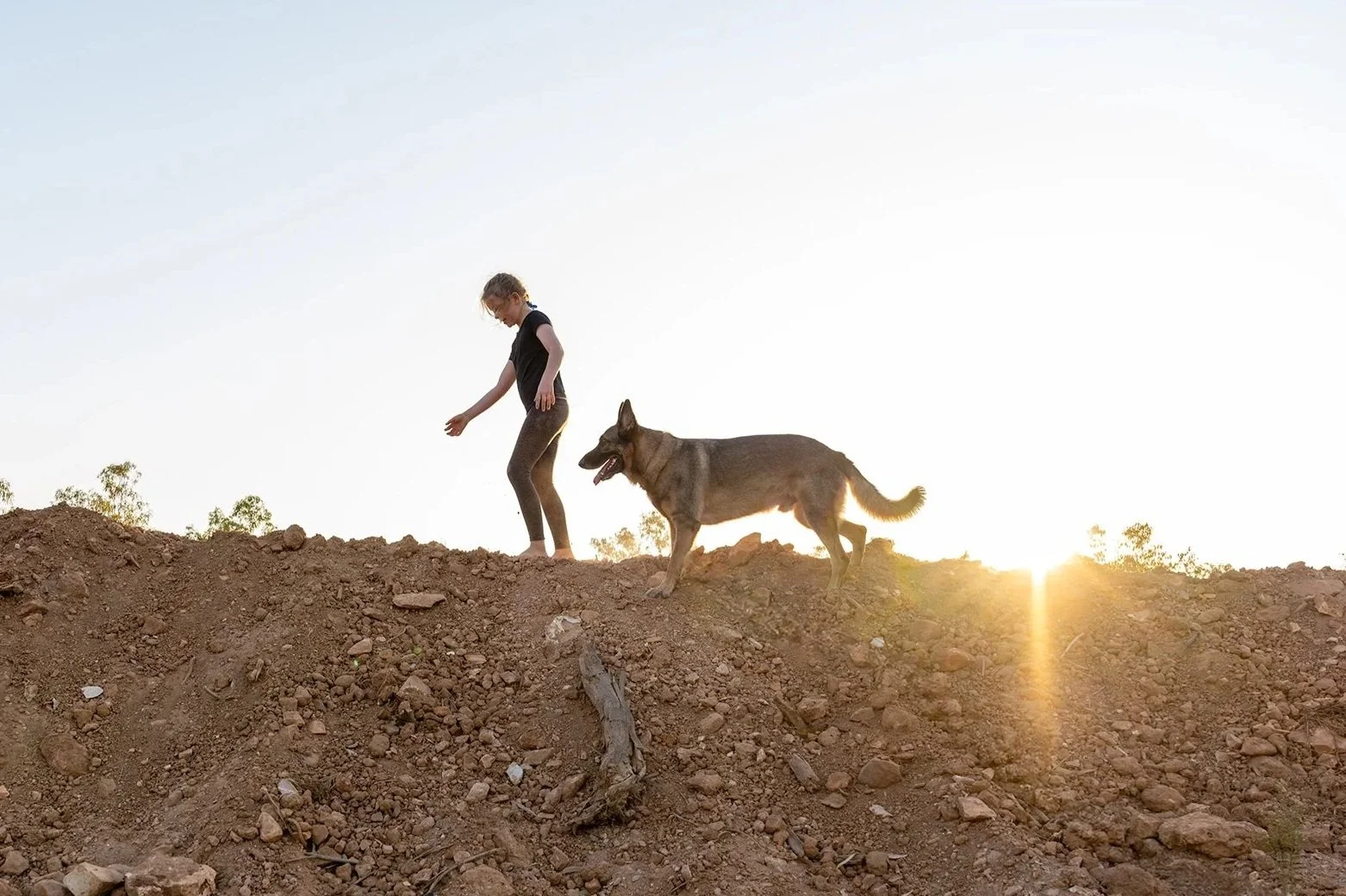
Honouring your dog means choosing to capture the version of them that exists now, in your real life. That’s not about lowering standards. It’s about aiming for authenticity instead of performance.
In practice, this looks like photographing:
how they move through the world
what they do when nobody is asking anything of them
what their face looks like when they’re simply content
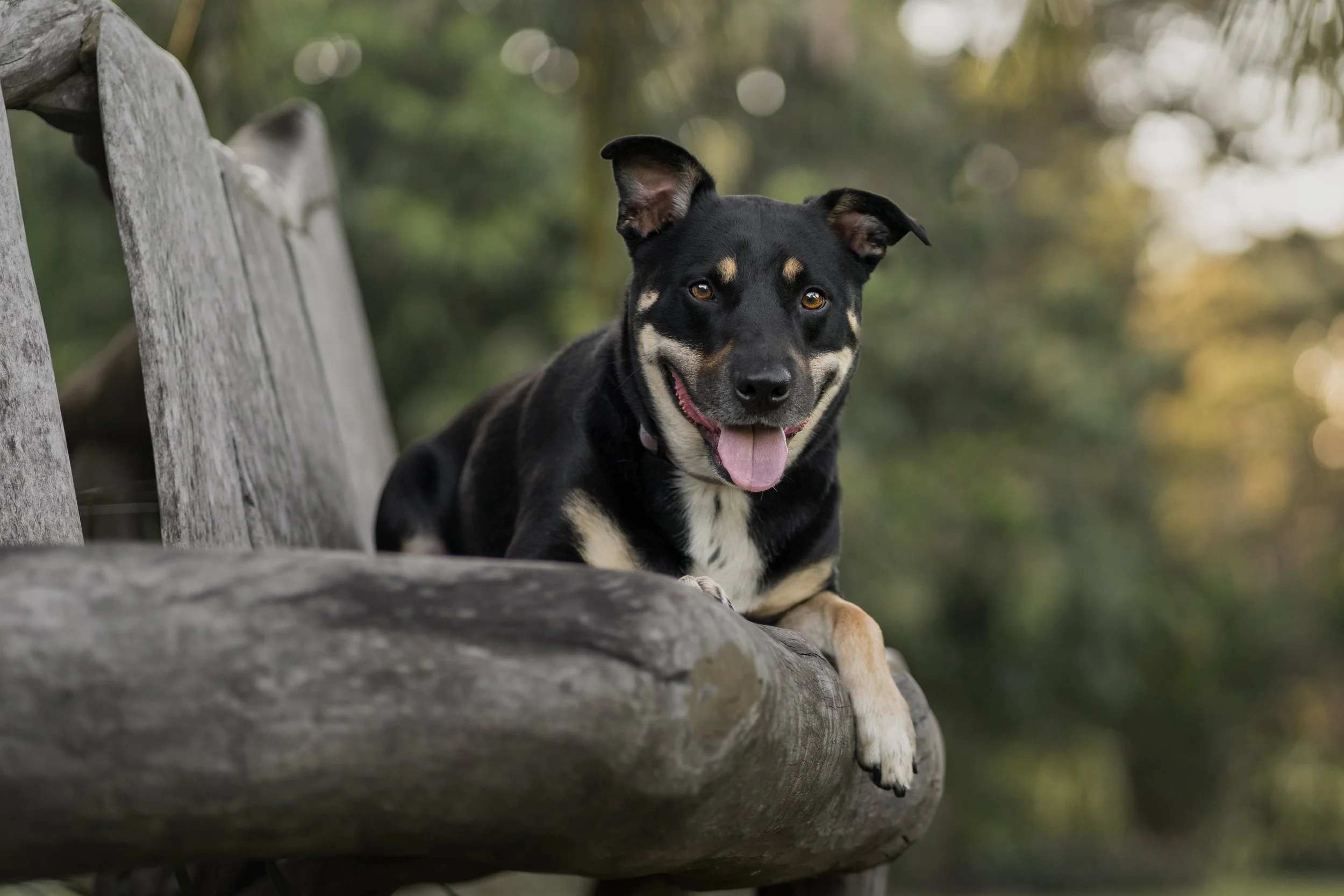
A behaviour-led session is built for this. It doesn’t rely on obedience. It relies on reading body language and creating enough safety that your dog’s real expressions show up.
A real example
I’ve photographed dogs who spent the first 10 minutes doing nothing but sniffing. The owner was apologising, convinced we were “wasting time”.
We slowed down and stopped trying to redirect the dog into “photo behaviour”.
Those sniffing moments produced some of the most honest images of the whole session. Relaxed posture, soft eyes, loose body language. The kind of photos owners later tell me feel like the dog they know at home.
That’s the point.
2. Make one image physical, so you actually live with the memory
This is where people lose trust in themselves. They assume they’ll “get around” to doing something with the photos.
Most don’t.
Digital photos are easy to take and easy to forget. Physical photos behave differently. They show up in your life repeatedly and reinforce memory through repetition. They become a cue, not a file.
There’s also research showing that photos can act as strong cues for nostalgia and re-experiencing memories, engaging brain systems involved in autobiographical memory.
And here’s another relevant piece: studies on the “photo-taking impairment effect” suggest that taking photos can sometimes reduce memory for the photographed experience when people outsource remembering to the device.
That doesn’t mean “don’t take photos”. It means: don’t let photos become something you never revisit or never make meaningful.
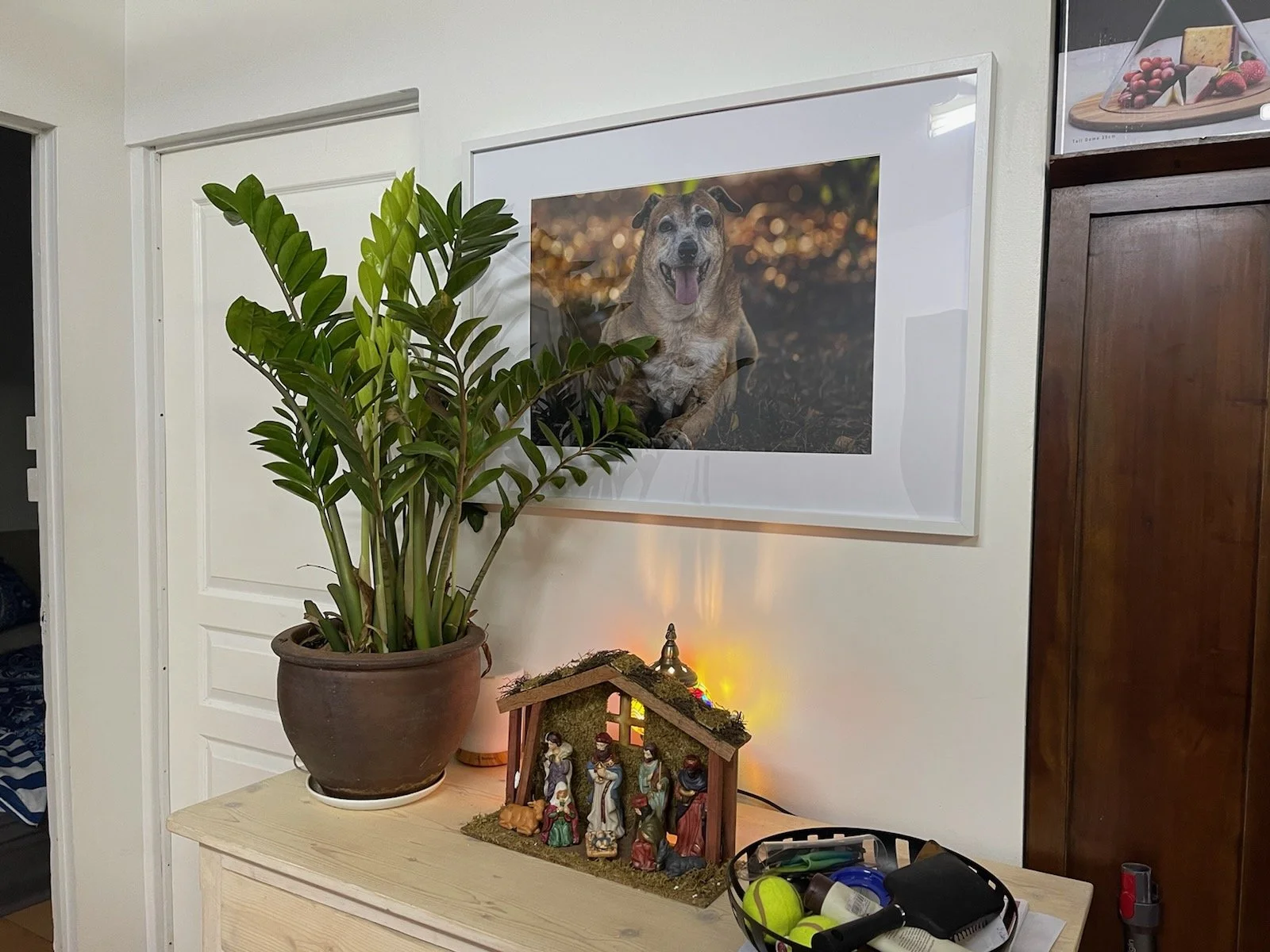
A printed image or album isn’t just décor. It’s an easy way to keep a memory accessible without needing motivation, time, or organisation.
What to print (so it doesn’t become clutter)
You don’t need twenty frames. Start with one decision:
Choose one image that captures something true:
the way they look at you
their calmness
their personality
the feeling of your relationship
Then put it somewhere you’ll see it without trying. Not hidden in a hallway you never walk down. Somewhere normal. Somewhere real.
Common objections (and the honest answers)
“I have heaps of photos on my phone already”Most people do. The difference is that phone photos tend to document events. A professional session is designed to document relationship, expression, and detail with intention and consistency.
Also, if most photos stay unseen, they aren’t really doing the job you think they are.
“It feels silly to do this when my dog is fine”This is a common belief, and it’s backwards. The best time is when your dog is fine, because you can create images without urgency, stress, or rushing.
“My dog won’t cooperate”Cooperation isn’t required. Safety is. That’s why behaviour-led photography works.
Final thought
Honouring your dog isn’t about doing more.
It’s about choosing not to let the most meaningful parts of your life become “I wish I had”.